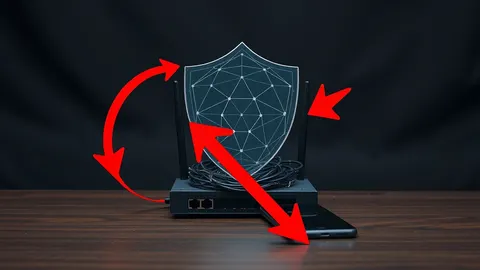
Vulnerabilities
Secure Configuration Baselines for Small Businesses
Default settings prioritise functionality over security, leaving small organisations exposed to automated attacks that exploit known weak configurations.
Vulnerabilities coverage from Cipher Insider holds 44 articles, 27 of them reference guides. The newest was published on October 16, 2026. New stories are added as soon as they are confirmed, from more than 150 sources checked as often as every 45 seconds. Each story lists its sources. Primary sources we follow for this section include MITRE CWE and CISA Known Exploited Vulnerabilities Catalog.
Default settings prioritise functionality over security, leaving small organisations exposed to automated attacks that exploit known weak configurations.

Attackers manipulate the HTTP Host header to bypass security controls, cache poison servers and steal session tokens without touching your application code.
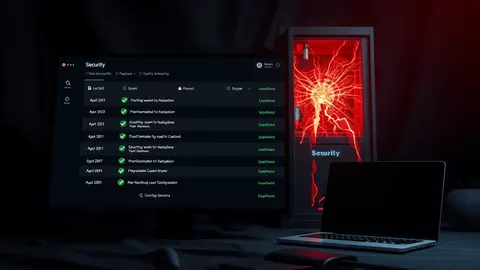
Tracking vulnerabilities without verifying the underlying fix allows false negatives to persist, creating a false sense of security that attackers exploit through residual weaknesses.
VPN appliance vulnerabilities often manifest as subtle timing anomalies in encrypted tunnels rather than obvious authentication failures or port scans.
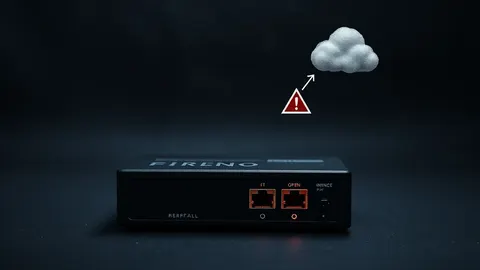
Small organisations face disproportionate risk from FortiGate flaws because they rely on default configurations that expose management interfaces to the internet.

Attackers rarely exploit a single flaw to breach a system; they combine weak points to bypass defences that would stop any individual vulnerability on its own.

Revoking a compromised JWT signing key forces immediate session termination for all users, which is the only way to guarantee an attacker cannot forge new tokens.

Misconfigurations and legacy plugin usage create wider attack surfaces than the core framework code, shifting risk away from simple patching.

Most PyPI package vulnerabilities stem from poor dependency management and hidden supply chain risks rather than direct code exploits in the libraries you import.

Emergency fixes bypass standard testing cycles to address immediate risks, creating a trade-off between speed and system stability.

External attack surface scanning reveals exposure to the internet, but it cannot verify internal misconfigurations or guarantee that a service is free from logic flaws.

Many smart devices ship with hardcoded credentials that cannot be changed, turning everyday objects into permanent entry points for attackers.

Scans map known weaknesses at scale while penetration testing exploits chains to prove impact, making them complementary rather than competing security controls.

Remote code execution flaws allow attackers to run commands on your server without any prior access, bypassing standard authentication entirely.

Disabling external entity processing entirely is the only reliable defence against XXE, as parser configurations vary widely and default settings often remain permissive.

Most gateway breaches stem from misconfigured trust boundaries rather than broken encryption, leaving standard network monitors blind to lateral movement within the tunnel.

Attackers are targeting a maximum-severity flaw in SonicWall SMA1000 appliances within days of the vendor releasing a security update.

A critical vulnerability in SAP S/4HANA rule processing allows authenticated attackers with specific privileges to execute arbitrary ABAP code.

A critical vulnerability in SAP NetWeaver Visual Composer allows attackers to invoke internal operations on connected systems, risking full compromise.

A critical vulnerability in the SAP Cloud SDK for Python allows attackers to hijack token requests and steal client credentials via server-side request forgery.

The surveillance firm can now assign vulnerability IDs to its own cameras, sparking debate over transparency and conflict of interest.

A critical flaw in OTRS allows attackers to use stolen authentication tokens even after the associated user accounts are disabled or passwords are reset.

Hosted platforms absorb server hardening and update tasks, shifting security responsibility from the user to the vendor, according to a 2027 analysis.

A critical vulnerability in ThemeREX Smart Casa versions up to 1.0.12 allows attackers to inject objects via untrusted data deserialization.