
Privacy & Policy
Smart home privacy risks: recovery steps after a sensor leak
Revoking cloud access tokens halts ongoing data leaks faster than changing household Wi-Fi passwords.
Privacy & Policy coverage from Cipher Insider holds 42 articles, 31 of them reference guides. The newest was published on October 19, 2026. New stories are added as soon as they are confirmed, from more than 150 sources checked as often as every 45 seconds. Each story lists its sources. Primary sources we follow for this section include EFF: Surveillance Self-Defense and European Commission: Data Protection.
Revoking cloud access tokens halts ongoing data leaks faster than changing household Wi-Fi passwords.

Revoking background sensor access often breaks app functionality because software developers bundle unrelated tasks into single permissions.

Routing your traffic through three volunteer relays hides your browsing trail, but logging into personal accounts instantly ruins that protection.

End-to-end encryption protects message contents in transit, but metadata remains completely visible to network operators.

Submitting opt-out requests repeatedly often fails because aggregators automatically harvest fresh records from public registries.

Wearing physical obfuscation gear alters pixel luminance patterns to disrupt automated biometric detection algorithms.

True cryptographic zero-knowledge systems prevent the service provider from reading your stored business data even under legal compulsion.

A high court decision may force websites to obtain explicit consent before sharing video viewing history with advertisers.

A new analysis suggests the proposed Cloud and AI Development Act could impose heavy financial burdens on public bodies and private firms across Europe.
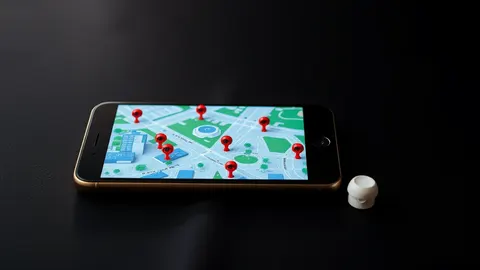
The navigation service now displays outdoor cameras and licence plate readers, including Flock Safety devices, on its interactive map.

Researchers found that legitimate ad platforms allowed a vendor to profile and infect devices without user interaction, targeting millions across dozens of countries.

The ICO issued an enforcement notice after officers used the Auror platform without approval, exposing personal details including addresses of suspects and children.
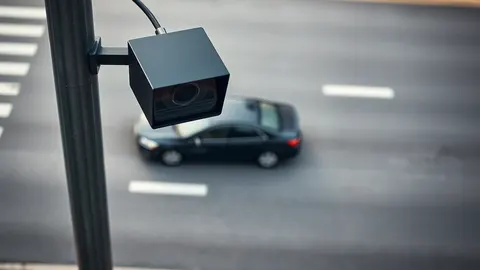
Legal groups petition state high court to require warrants for retrospective automated license plate reader searches in four major cities.

The executive argues that sacrificing personal privacy is necessary to achieve a crime-free society, stating the technology benefits millions.

Ad blockers alter how web pages load, which can break site features while simultaneously preventing scripts that harvest your browsing history for targeted marketing.

Anonymization permanently severs the link to an individual, whereas masking merely obscures data temporarily for safe processing.

Private browsing protects your local device history but fails to hide your activity from network observers, websites, or internet service providers.
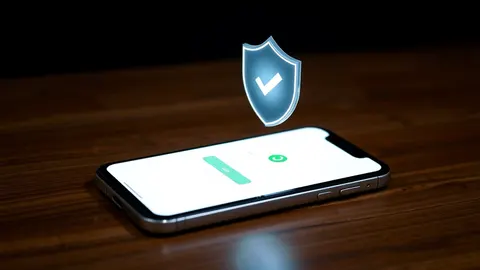
Zero knowledge encryption ensures that even the service provider cannot access your data, because the decryption keys never leave your device during the authentication process.

Online tracking constructs a detailed profile of your behaviour by stitching together fragments from dozens of sources, often without your explicit consent.

Adding mathematical noise to datasets prevents attackers from identifying individuals, even when they possess extensive external information about the subjects.

Mandatory age checks for social media and digital services exclude adults without passports, driver’s licenses or other official documentation.
Court orders block dozens of websites while authorities raid offices and seize devices from rights groups and journalists.

Attackers bypassed technical defences to extort millions from legal sectors using voice-based social engineering rather than file encryption.
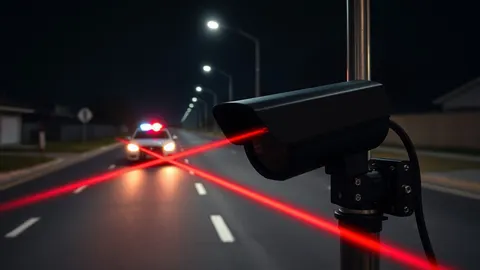
Anthony Sistilli says officers questioned him after he constructed an ALPR camera to monitor police vehicles, sparking a debate on mass surveillance.