
Privacy & Policy
Tor Browser Explained: Routing, Relays, and Real Anonymity
Routing your traffic through three volunteer relays hides your browsing trail, but logging into personal accounts instantly ruins that protection.
Everything Cipher Insider has reported about network security: 11 stories, newest first. Part of our Privacy & Policy coverage.
Routing your traffic through three volunteer relays hides your browsing trail, but logging into personal accounts instantly ruins that protection.

Private browsing protects your local device history but fails to hide your activity from network observers, websites, or internet service providers.

Port scanning often reveals more about the scanner’s methodology and tooling than the target’s vulnerabilities, shifting the analytical focus to behavioural detection.

Session hijacking steals an active connection token while spoofing impersonates an identity at the protocol level, requiring distinct detection strategies.

Isolating internet-connected devices into separate logical zones prevents a compromised sensor from accessing sensitive corporate data or critical infrastructure.

NTLM relay attacks succeed because the protocol trusts any server that can replay a hash, making network segmentation and protocol hardening the only reliable defence.

Worms bypass human interaction by exploiting software flaws to replicate across networks, making them distinct from viruses that require a host file.
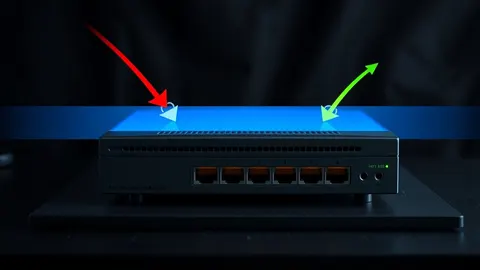
DNS filtering intercepts requests before they reach the internet, blocking malware domains and enforcing usage policies at the protocol level.

Honeypots reduce false positives by isolating legitimate traffic from malicious activity, turning silent network noise into actionable intelligence.

Public Wi-Fi risks often hide in DNS anomalies and certificate mismatches rather than obvious traffic interception attempts.

Implement cost-effective content filtering and user restriction mechanisms that protect your network without requiring a dedicated security team.